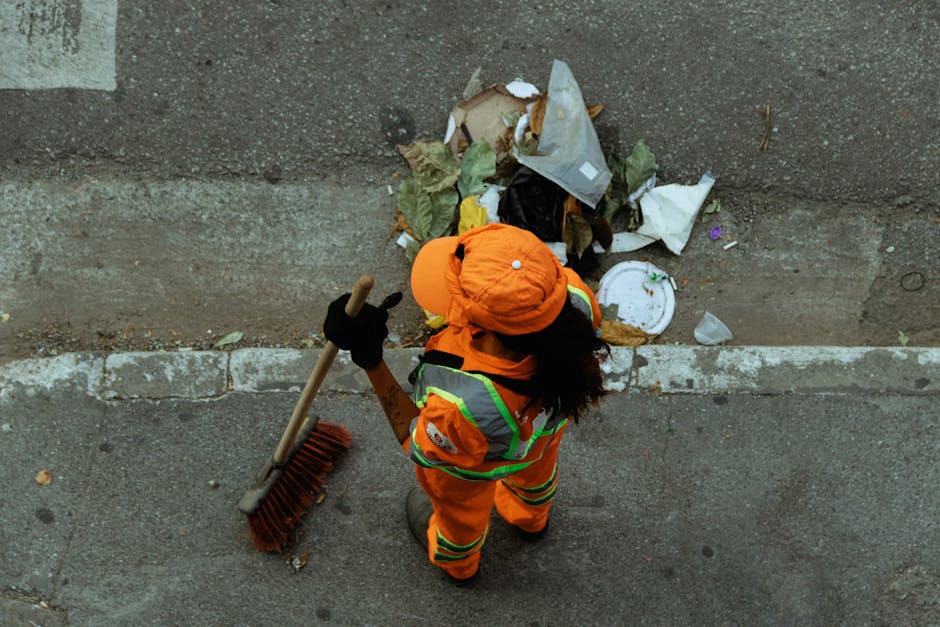
Ruislip High Street rubbish removal services HA4: a practical guide for homes, shops, and busy local properties
Rubbish has a funny way of building up quietly. One week it is a broken chair by the wall, a few sacks from a tidy-up, and an old appliance waiting for "when we get a minute". Then suddenly the hallway feels narrower, the stockroom is crowded, or the front path is no longer easy to use. If you are looking at Ruislip High Street rubbish removal services HA4, you probably want more than just a van and a pair of gloves. You want a straightforward, safe, local service that fits around a busy street, mixed property types, and real-life deadlines.
This guide explains how rubbish removal on or around Ruislip High Street typically works, what to expect, when it makes sense, and how to choose the right approach for your situation. We will also look at practical risks, common mistakes, and the sort of decisions that save time, money, and hassle. To be fair, rubbish removal sounds simple until you are the one organising it.
Why Ruislip High Street rubbish removal services HA4 matters
Ruislip High Street is not the sort of place where waste can just sit around for long. You have foot traffic, shops, flats, offices, mixed-use buildings, and the usual flow of people coming and going throughout the day. That creates two pressures at once: rubbish needs to be removed quickly, and it needs to be removed without disrupting neighbours, customers, or access.
Local rubbish removal matters because the consequences of delay are more visible in a busy high street setting. A pile of broken packaging outside a business can make the frontage look untidy. Leftover renovation waste can block shared access. A load of old furniture in a flat can become a fire escape issue. And if you are dealing with an end-of-tenancy clear-out, you rarely get the luxury of time. You need things moved, sorted, and gone. Simple as that.
There is also a practical seasonal angle. In damp weather, waste bags can split, cardboard softens, and smells build up faster than you expect. In summer, the same pile can become a nuisance in a different way. So the real value of a service in HA4 is not only removal; it is timing, discretion, and an understanding of how quickly a small mess can become a bigger one.
If your removal needs are part of a larger tidy-up, it can help to look at related services such as home clearance, house clearance, or even business waste removal where the rubbish is coming from a commercial premises rather than a one-off domestic job.
How Ruislip High Street rubbish removal services HA4 works
Most rubbish removal jobs follow a fairly predictable pattern, although the exact details depend on what needs taking away. In many cases, the process begins with a rough description of the waste: bags, boxes, furniture, builders' debris, appliances, or a mix of several items. From there, the provider usually estimates the volume, access needs, and the time required on site.
For a high street property, access is often the main variable. Is there a rear entrance? Is the rubbish on an upper floor? Can a vehicle stop nearby, or does loading need to happen quickly to avoid blocking the road? These details matter far more than people realise. One awkward flight of stairs can change the whole plan, and yes, sometimes the lift is out at exactly the wrong time. That happens.
The collection itself normally involves loading the waste, separating anything that can be reused or recycled, and then transporting the remainder to the appropriate facility. Responsible operators should separate waste streams where possible rather than treating everything as one black bag problem. Items like white goods, mattresses, wood, metal, and garden waste often need different handling. A proper service should be able to explain that in plain English.
If your load includes furniture, it may be worth reviewing the options for furniture clearance or furniture disposal. For certain bulky items, dedicated services such as mattress and sofa disposal or fridge and appliance removal can be more efficient than trying to bundle everything together.
Good rubbish removal on a high street should feel organised, not chaotic. The best jobs are the ones where the clearance happens quickly, the area is left tidy, and everyone can get back to work without too much faff.
Key benefits and practical advantages
Let us be honest: most people do not call for rubbish removal because they enjoy it. They call because they want space back, time back, and less stress. That is where the real advantages show up.
- Speed: Waste can be removed far faster than doing several car trips yourself.
- Access-friendly service: Useful when stairs, narrow entrances, or tight parking make DIY disposal awkward.
- Reduced disruption: Particularly important for high street shops, offices, and flats with shared entrances.
- Safer lifting: Less chance of back strain, cuts, or damage to walls and floors.
- Better sorting: Recyclable items and reusable materials can be separated more effectively.
- Cleaner finish: A proper removal usually includes sweeping up or leaving the space presentable.
For businesses, there is another benefit that people sometimes overlook: reputation. A tidy frontage, clean stockroom, or clear service area sends the right message. Customers notice. Staff notice too. It makes the whole place feel more under control.
For homeowners and landlords, rubbish removal can also help unlock the next step in a project. Decorating, moving out, taking photos for a listing, or preparing for repairs all go more smoothly once the clutter has gone.
Who this is for and when it makes sense
Ruislip High Street rubbish removal services HA4 can suit a wide mix of people and situations. The common thread is not the type of property; it is the need for fast, sensible clearance without a big logistical headache.
This is often the right option if you are:
- a shop owner clearing packaging, broken displays, or old stock;
- a landlord or letting agent dealing with left-behind items;
- a homeowner having a clear-out before a move;
- a flat resident with awkward access and little storage;
- an office manager removing desks, chairs, or confidential office clutter;
- a tradesperson with leftover waste after a small job;
- someone managing a garage, loft, or shed that has become a bit of a dumping ground.
It also makes sense when the waste is mixed. A lot of real-world clearances are not neat and tidy. They include cardboard, furniture, a bit of building debris, maybe an appliance, maybe some garden waste. If that sounds familiar, a flexible waste removal service is often more practical than trying to arrange separate collections for everything.
For office or mixed commercial spaces, you may also want to compare options with office clearance or, if the waste includes sensitive paperwork, confidential shredding. That little bit of planning can save a surprising amount of time later on.
Step-by-step guidance
If you are booking rubbish removal on or near Ruislip High Street, a simple process helps keep things smooth. Here is the practical version, not the overcomplicated one.
- List what needs removing. Be specific. "A few bags" is fine for a first message, but a count of bags, furniture pieces, or appliances is better.
- Check access. Note staircases, narrow hallways, loading restrictions, parking challenges, or rear entry points.
- Separate risky items early. Things like chemicals, paint, batteries, gas canisters, and other problem waste should be identified before collection day.
- Ask about service scope. Some jobs are straightforward rubbish clearances; others are better handled through a more specific service such as builders waste clearance or garden clearance.
- Confirm timing. On a busy high street, the best slot is often the one that reduces disruption to foot traffic and neighbours.
- Prepare the load. Put smaller bags together, keep walkways open, and make sure the crew can reach the waste without spending ten minutes moving other items first.
- Review the final outcome. Check that everything agreed has been removed and that the area is left neat.
For people clearing a whole property, the process can easily expand into a larger project. In that case, it may be more efficient to combine rubbish removal with flat clearance, garage clearance, or loft clearance. That way you are not piecing it together one awkward pile at a time.
Expert tips for better results
In our experience, the smoothest rubbish removals are usually the ones where the client thinks ahead just a little. Not a huge planning exercise. Just enough to prevent delays.
Tip 1: group waste by type before collection. It helps the team load more efficiently and can make recycling easier. Wood together, metal together, bulky items together. Nothing fancy.
Tip 2: keep a quick photo record. A couple of clear photos sent in advance can help avoid misunderstandings about quantity or access. It is one of those tiny things that saves a lot of back-and-forth.
Tip 3: clear the route first. Hallways, stairwells, doorways, and shared entrances should be open before the team arrives. You would be surprised how often a perfectly good collection gets slowed down by a bicycle, a plant pot, and one especially stubborn shoe rack.
Tip 4: think about what should not go. Hazardous items need special handling. If you are unsure, ask first rather than sneaking them into a general load. That is the wrong kind of shortcut.
Tip 5: choose the service that matches the waste. A single broken sofa is not the same as a full builders' clear-up. If your load is a mixture, a broader waste removal service may be the most sensible route, but specific item services can be more efficient for one-off bulky pieces.
A small but useful truth: the best rubbish removal is usually the one you barely had to think about.
Common mistakes to avoid
People make the same few mistakes over and over, especially when they are in a rush.
- Underestimating the volume: What looks like "just a bit of waste" can easily be two loads once it is gathered properly.
- Ignoring access problems: A clear path, parking spot, or loading point is not a detail; it is part of the job.
- Mixing hazardous and general waste: This can create safety and compliance issues.
- Leaving the sort-out until collection day: Time is lost when everything is still scattered around.
- Choosing the wrong service type: A specialist item or clearance service is often easier than forcing a one-size-fits-all approach.
- Assuming every item is recyclable in the same way: Different materials are processed differently, and not all waste can be treated the same.
One more thing: if you are clearing a flat or upper-floor property, do not assume the hard part is the lifting. Often the hard part is the hallway, the door width, or the neighbour who is trying to get past while you are halfway through carrying a wardrobe. Real life has a way of being awkward like that.
Tools, resources and recommendations
You do not need a shed full of gear to organise rubbish removal well. A few simple tools and habits make a noticeable difference.
- Basic inventory notes: A phone note with item counts and rough sizes.
- Photos: Useful for access checks and understanding the amount of waste.
- Labels or tape: Helpful if you want to separate keep, recycle, and remove piles.
- Gloves and sturdy footwear: Sensible for anyone sorting waste before a collection.
- Bagging supplies: Especially useful for smaller loose waste, packaging, and light debris.
For people trying to reduce waste going to landfill, the company's recycling and sustainability information is a sensible place to understand the broader approach. And if you are trying to work out what can be put together safely, the what can go in a skip guide can be a helpful reference point even when you are not booking a skip itself. It gives you a better sense of how mixed waste is usually judged.
For pricing questions, it is worth looking at the pricing and quotes information early on so you know what affects cost. Access, waste type, load size, and handling requirements all tend to matter more than people think.
Law, compliance, standards, or best practice
Waste removal is not just a practical job; it also carries responsibility. In the UK, householders, landlords, and businesses all need to be careful about where their waste goes and who handles it. You do not need to become a legal expert, thankfully, but you should expect the service provider to operate safely and responsibly.
Best practice usually includes proper sorting, safe lifting, suitable vehicle use, respectful handling of shared spaces, and sensible attention to items that may require specialist disposal. For example, fridges, certain appliances, and some hazardous materials cannot simply be tossed into a mixed pile and forgotten. They need appropriate handling. That is why dedicated services such as fridge and appliance removal and hazardous waste disposal exist.
Businesses should also think about duty of care and record-keeping. If waste comes from a commercial premises, it is sensible to use a provider that takes safety, transport, and disposal seriously. Their insurance and safety approach matters, as does their internal policy framework, including health and safety policy and wider operational standards.
Practical rule: if an item seems risky, messy, pressurised, chemical, sharp, or uncertain, treat it as a special case rather than hoping it will "be fine". That tiny bit of caution usually pays off.
Options, methods, or comparison table
There is more than one way to clear rubbish on a busy street. The right choice depends on access, timing, volume, and the type of waste.
| Option | Best for | Strengths | Trade-offs |
|---|---|---|---|
| General rubbish removal | Mixed household or commercial waste | Flexible, quick, useful for awkward access | May cost more than very small DIY jobs |
| Item-specific disposal | Sofas, mattresses, appliances | Efficient for bulky single items | Less suitable for mixed loads |
| Clearance service | Flats, houses, garages, lofts, offices | Better for larger tidy-ups and staged clear-outs | More planning may be needed |
| Builders waste collection | DIY and renovation debris | Handles heavier, dirtier loads well | Not ideal for mixed furniture or domestic clutter |
| DIY disposal | Very small loads with easy vehicle access | Low direct cost if you already have transport | Time-consuming, effort-heavy, and not always practical |
For many people on Ruislip High Street, the deciding factor is simply convenience. If you can get the waste away with minimal disruption, that is often worth more than shaving off a small amount of cost. Especially when the area is busy and you have other things to handle.
Case study or real-world example
Imagine a small retail unit near Ruislip High Street that has just finished a display refresh. The old shelving has been broken down, cardboard boxes are stacked in the back room, and there are a couple of worn chairs and a dead fridge that has been sitting there longer than anyone wants to admit. The shop still needs to open the next morning, so the waste has to be removed after closing time.
In that situation, a single mixed collection is usually far more useful than trying to organise separate removals for every item. The team needs to check access, bring the right equipment, and load the waste with minimal noise and disruption. If the fridge is included, it should be handled as a separate appliance item. If the staff also want to clear paper records, confidential documents should go through a proper shredding route rather than going into the same pile as cardboard.
The result is not just a cleaner room. It is a shop that can reopen without boxes in the way, with the floor cleared, the back room usable again, and one less thing hanging over the manager's head. That relief matters. You can feel it the moment the last bag is taken out.
Practical checklist
Before collection day, run through this simple checklist. It keeps things calm.
- List all waste items clearly.
- Note any bulky, sharp, heavy, or awkward objects.
- Separate anything hazardous or uncertain.
- Check access routes, doors, stairs, and parking.
- Prepare the waste so it is easy to load.
- Group similar items together where possible.
- Decide whether you need a general removal or a specialist service.
- Confirm timing so the collection fits your schedule.
- Keep children, pets, staff, and customers away from the loading route.
- Inspect the area afterwards to make sure everything agreed has gone.
If you are clearing a broader property rather than just a few bags, consider whether garage clearance, loft clearance, or builders waste clearance would fit the job better than a general pickup. The right match tends to make the whole process smoother.
Conclusion
Ruislip High Street rubbish removal services HA4 are really about making busy spaces workable again. Whether you are dealing with a shop refit, a flat clearance, leftover domestic clutter, or a small business stockroom that has become a bit too full, the value is in speed, safety, and a clean finish. When the service is handled well, it saves time, reduces stress, and helps you move on to the next job without the waste still hanging around in the background.
The best approach is usually the simplest one: know what needs removing, be clear about access, choose the right type of service, and avoid the tempting shortcut of leaving awkward items to "sort themselves out". They rarely do. A bit of planning goes a long way, and the difference is obvious once the space is clear and breathable again.
When the clutter is gone, things feel lighter. That is not just practical; it is a real relief.
Get a free quote today and see how much you can save.
Frequently Asked Questions
What do Ruislip High Street rubbish removal services HA4 usually collect?
They often collect mixed household rubbish, furniture, packaging, office waste, garden debris, and some DIY or builders' waste. Exact acceptance depends on the provider and the type of waste involved.
Is rubbish removal better than hiring a skip for a high street property?
Often, yes, if access or parking is tight. Rubbish removal can be quicker and less disruptive because the team loads the waste for you instead of leaving a container on site.
How do I know if I need a specialist clearance service?
If you are dealing with a whole room, garage, loft, office, or a large amount of bulky waste, a specialist clearance service is usually more efficient than a basic collection.
Can rubbish removal deal with appliances like fridges or washing machines?
Yes, but they should be handled appropriately. Appliances often need separate processing, so it is better to mention them in advance rather than leaving them mixed in with general waste.
What should I do with hazardous items?
Do not mix them into general rubbish. Items such as chemicals, paints, batteries, or other risky materials need special handling. Always ask before collection if you are unsure.
How much notice do I need to give for a collection?
That depends on the service and how busy the schedule is, but it is sensible to book as early as you can, especially if access is limited or the job needs to happen at a specific time.
Will the team clear waste from upstairs flats or difficult access points?
Many services can, but access needs to be checked first. Stairs, narrow hallways, and shared entrances can affect how the collection is planned.
Is rubbish removal suitable for businesses on Ruislip High Street?
Yes. In fact, it is often a very practical option for shops, offices, salons, and other premises that need waste removed with minimal disruption to customers and staff.
What can I do to make the collection quicker?
Group waste together, keep access clear, identify awkward items early, and provide photos or a clear description beforehand. Those small steps make a real difference.
Should I compare pricing before booking?
Absolutely. It is sensible to review the provider's pricing and quotes information so you understand what affects the cost and what is included.
What if I also need furniture removed?
Then a dedicated furniture-focused service may help, especially for bulky pieces like sofas, wardrobes, or beds. Related options such as mattress and sofa disposal can be the neatest fit for those items.
How do I choose a trustworthy provider?
Look for clear communication, practical advice, sensible handling of safety and access, and a straightforward explanation of what they can and cannot remove. A reputable provider should make the process feel calm, not confusing.